
"Supremo Excelso UGQ"
200 article(s) found

A farm where coffee is grown in Colombia.
Colombian coffee farmers can sell all their products to the Coffee Management Association at an official low price, or to exporters, who may offer a higher price or no bid at all. In fact, the Coffee Management Association (FNC) controls exports to Europe, while coffee to the United States is mainly exported through private exporters. However, all exports are subject to restrictions

Colombia Na Linglong Coffee Bean Flavor Characteristics Brand Taste Treatment Introduction
Colombia Coffee World Coffee is divided into two series, one is hard coffee represented by Brazil, which tastes strong; the other is soft coffee represented by Colombia, which tastes light. The difference lies in the altitude of the origin and the planting method. Brazil grows coffee in hilly red soil more extensively, while Colombia produces coffee in mountainous black soil intensively. Colombia Premium is rich and thick

Colombia, the world's largest producer of high-quality coffee
Colombian coffee farmers can sell all their products to the Coffee Management Association at an official low price, or to exporters, who may offer a higher price or no bid at all. In fact, the Coffee Management Association (FNC) controls exports to Europe, while coffee to the United States is mainly exported through private exporters. However, all exports are subject to restrictions

Introduction to the characteristics and Origin of Fine Coffee beans in Colombia
Colombian coffee farmers can sell all their products to the Coffee Management Association at an official low price, or to exporters, who may offer a higher price or no bid at all. In fact, the Coffee Management Association (FNC) controls exports to Europe, while coffee to the United States is mainly exported through private exporters. However, all exports are subject to restrictions

The History of Coffee: Colombian Coffee of good quality
For more information on coffee beans, follow the Coffee Workshop (official Wechat account cafe_style) in 1808, coffee was first introduced to Colombia by a priest from the French Antilles via Venezuela. Today, the country is the second largest producer after Brazil, with an annual output of 13 million bags of 60 kg each.

Colombia coffee (Colombia) world boutique profile Colombia coffee origin variety characteristics
Pay close attention to the coffee comment (Weixin Official Accounts vdailycom) and find that the beautiful coffee shop opens its own small shop [world famous brand coffee] Colombia coffee is produced in Colombia. After roasting, the coffee beans will release sweet flavor, with good quality of sour with sweet taste and bitter taste.

Classification standard of raw coffee beans
There are two ways to classify raw coffee beans, one is the filter number, and the other is the elevation.

Which brand of Colombian coffee is better? the characteristics of Colombian coffee
There are many kinds of coffee brands in Colombia. Colombian coffee growers can sell all their products to the Coffee Management Association at an official low price, or to exporters, who may offer higher prices or no bids at all. In fact, the Coffee Management Association (FNC) controls the export of large coffee beans to Europe, while coffee exports to the United States are mainly

Flavor and taste characteristics of Colombian coffee beans how many Gulangyu cafes are there
Colombian coffee farmers can sell all their products to the Coffee Management Association at an official low price, or to exporters, who may offer a higher price or no bid at all. In fact, the Coffee Management Association (FNC) controls exports to Europe, while coffee to the United States is mainly exported through private exporters. However, all exports are subject to restrictions
Colombian Coffee
Coffee was first introduced to Colombia in 1808 when it was brought by a priest from the French Antilles via Venezuela. Today, the country is the second largest producer after Brazil, with an annual output of 13 million bags of 60 kg each, while Brazil produces 22 million bags a year. The status of coffee in Colombia can be seen in the following examples-all entering the

Refreshing Colombian coffee
Coffee was first introduced to Colombia in 1808 when it was brought by a priest from the French Antilles via Venezuela. Today, the country is the second largest producer after Brazil, with an annual output of 13 million bags of 60 kg each, while Brazil produces 22 million bags a year. The status of coffee in Colombia can be seen in the following examples-all entering the

Grading of raw coffee beans
At present, there are three main rating criteria for raw coffee beans, and different countries adopt different rating methods according to their own production conditions and national conditions (not all coffee producing countries adopt the same method). Let's introduce these three popular rating methods. One: the reason for the emergence of such a classification standard according to the altitude of the coffee producing area is mainly because of the high level.

Refreshing Colombian coffee
Coffee was first introduced to Colombia in 1808 when it was brought by a priest from the French Antilles via Venezuela. Today, the country is the second largest producer after Brazil, with an annual output of 13 million bags of 60 kg each, while Brazil produces 22 million bags a year. The status of coffee in Colombia can be seen in the following examples-all entering the

Boutique coffee. Refreshing Colombian coffee.
Coffee was first introduced to Colombia in 1808 when it was brought by a priest from the French Antilles via Venezuela. Today, the country is the second largest producer after Brazil, with an annual output of 13 million bags of 60 kg each, while Brazil produces 22 million bags a year. The status of coffee in Colombia can be seen in the following examples-all entering the

History and culture of Colombian coffee the development of Colombian coffee
In the early 1960s, coffee production was about 600kg per hectare. Now it has risen to about 900kg, and some farms can reach 2500 kg. However, quality assurance is a top priority for the coffee industry. Colombia established the National Coffee Management Association (Federacion Nacional de Cafeteros, or FNC) in 1927, which is responsible for quality supervision. Although the association is a private company

Coffee common sense refreshing Colombian coffee
Coffee was first introduced to Colombia in 1808 when it was brought by a priest from the French Antilles via Venezuela. Today, the country is the second largest producer after Brazil, with an annual output of 13 million bags of 60 kg each, while Brazil produces 22 million bags a year. The status of coffee in Colombia can be seen in the following examples-all entering the

Colombia's second largest producer after Brazil
In 1808, coffee was first introduced to Colombia, which was brought by a priest from the French Antilles via Venezuela. Today the country is the second largest producer after Brazil. Colombian coffee origin: Colombian coffee is one of the few original coffee sold in the world under the name of the country. In terms of quality, it has acquired other

Graded coffee raw bean treatment
At present, there are three main rating criteria for raw coffee beans, and different countries adopt different rating methods according to their own production conditions and national conditions (not all coffee producing countries adopt the same method). Let's introduce these three popular rating methods. One: the reason for the emergence of such a classification standard according to the altitude of the coffee producing area is mainly because of the high level.
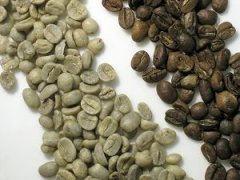
Basic knowledge of Colombian coffee boutique coffee beans
Coffee was first introduced to Colombia in 1808 when it was brought by a priest from the French Antilles via Venezuela. Today, the country is the second largest producer after Brazil, with an annual output of 13 million bags of 60 kg each, while Brazil produces 22 million bags a year. The status of coffee in Colombia can be seen in the following examples-all entering the

Introduction to the types of coffee the refreshing Colombian coffee
Coffee was first introduced to Colombia in 1808 when it was brought by a priest from the French Antilles via Venezuela. Today, the country is the second largest producer after Brazil, with an annual output of 13 million bags of 60 kg each, while Brazil produces 22 million bags a year. The status of coffee in Colombia can be seen in the following examples-all entering the